
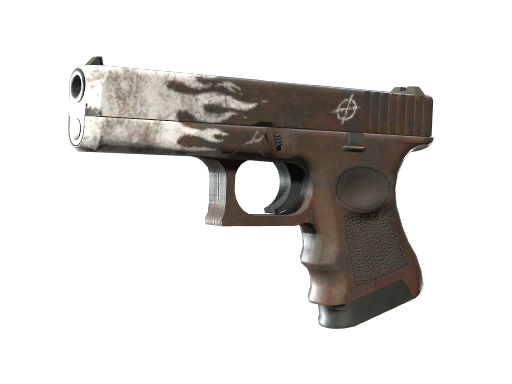
Glock-18 | Oxide Blaze
Glock-18 | Oxide Blaze is a Mil-Spec Grade Glock-18 skin in CS2 from the The Danger Zone Collection. Prices start at $0.18.
From $0.18 up to $2.45
Price by wear
Live, updated Oct 1What matches this skin
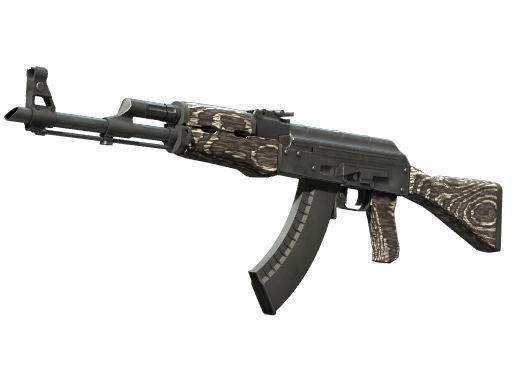 $32+ AK-47 | Black Laminate Mil-Spec Grade
 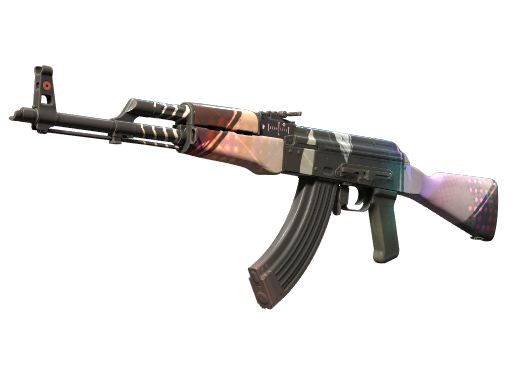 $1.69+ AK-47 | Crossfade Mil-Spec Grade
 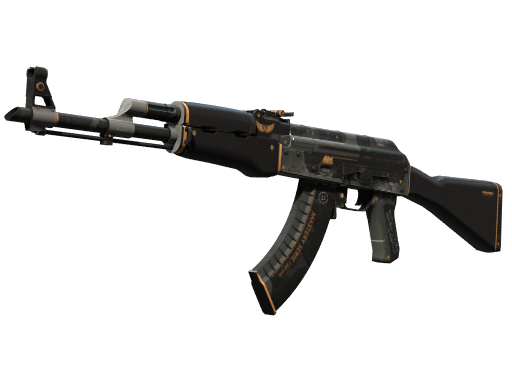 $1.38+ AK-47 | Elite Build Mil-Spec Grade
 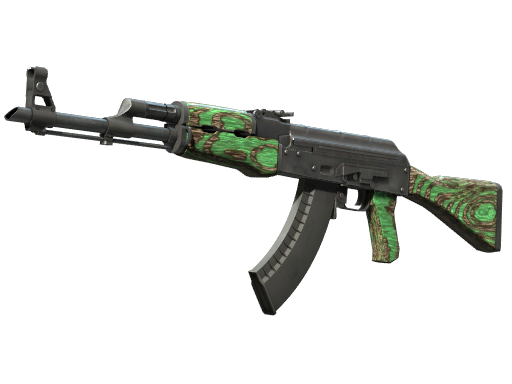 $16+ AK-47 | Green Laminate Mil-Spec Grade
 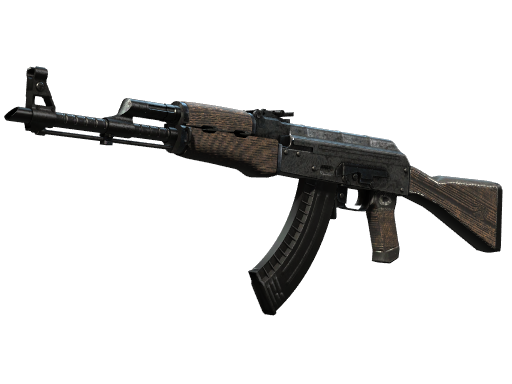 $1.56+ AK-47 | Steel Delta Mil-Spec Grade
 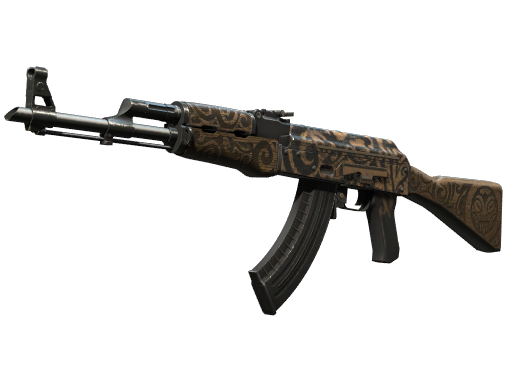 $0.50+ AK-47 | Uncharted Mil-Spec Grade
 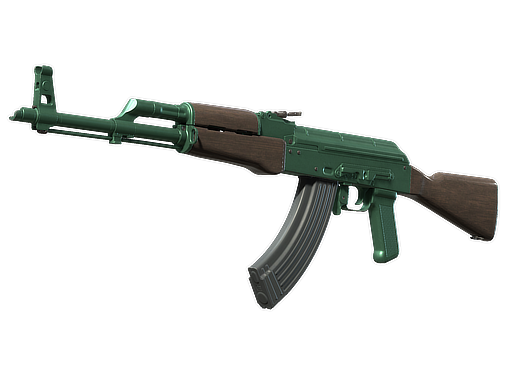 $0.49+ AK-47 | Wintergreen Mil-Spec Grade
 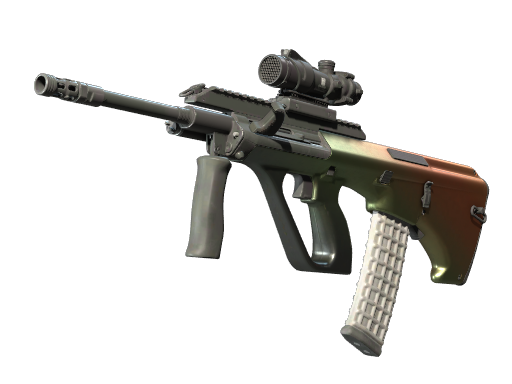 $1.54+ AUG | Amber Fade Mil-Spec Grade
 Details
- Rarity
- Mil-Spec Grade
- Weapon
- Glock-18
- Float range
- 0 – 0.85
- Wears
- 5 of 5
- StatTrak
- Available
- Souvenir
- Available
- Team
-
 Terrorist
 The Danger Zone Collection
 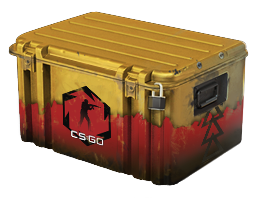 Danger Zone Case
 Float range
FN MW FT WW BS
0 0.85
The Glock 18 is a serviceable first-round pistol that works best against unarmored opponents and is capable of firing three-round bursts. A custom paint job has been applied with a rust-colored base and white detailing.
More Glock-18 skins
All Glock-18 finishes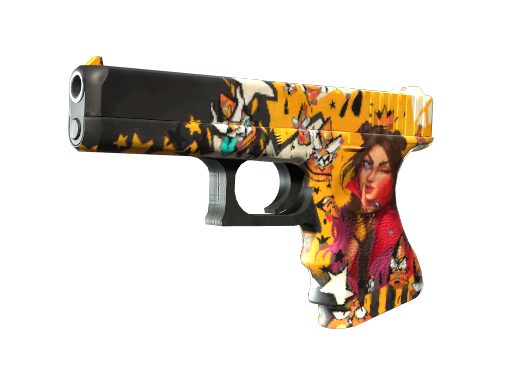
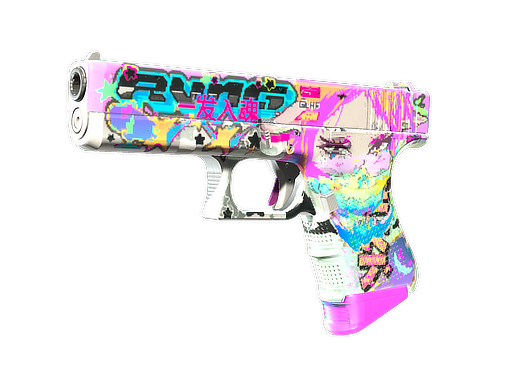
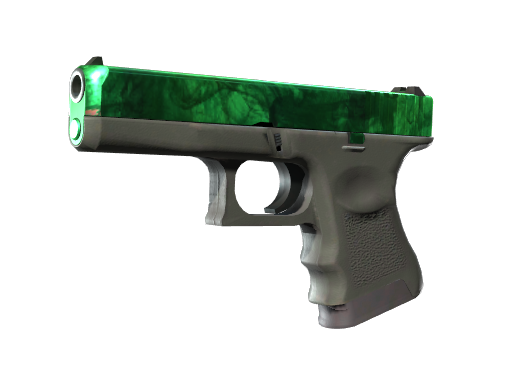
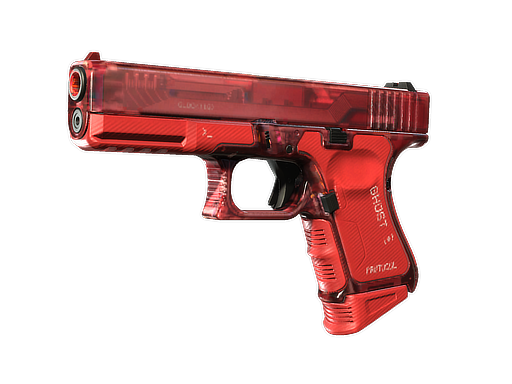
Questions about Glock-18 | Oxide Blaze
- How much does Glock-18 | Oxide Blaze cost?
- Glock-18 | Oxide Blaze starts at about $0.18 and runs up to around $2.45 depending on wear. The cheapest wear is Battle-Scarred at $0.18, and Factory New is the most expensive at $2.45. Prices here are pulled from live market listings and refreshed daily, so treat them as a starting point rather than a fixed quote.
- Which wear should you buy for Glock-18 | Oxide Blaze?
- Glock-18 | Oxide Blaze exists between float 0 and 0.85, which is what decides the wear you can get. Here Factory New costs roughly 14x what Battle-Scarred does, so the question is whether the difference is visible from a first-person view. On darker and busier finishes it usually is not, and the cheaper wear does the same job in a loadout.
- What case is Glock-18 | Oxide Blaze from?
- Glock-18 | Oxide Blaze drops from The Danger Zone Collection and Danger Zone Case. Opening for a specific skin is a bad bet at almost any odds, so buying it outright on the market is nearly always the cheaper route.
- Does Glock-18 | Oxide Blaze have a StatTrak version?
- Yes. A StatTrak version of Glock-18 | Oxide Blaze exists and counts your kills with the Glock-18. StatTrak copies are a separate item on the market and normally trade above the plain version, and a Souvenir version exists as well.